Quality is not reflected in price
A quality difference the buyer cannot confirm does not translate into pricing. A producer of genuine honey stays in the same price band as syrup-added product.
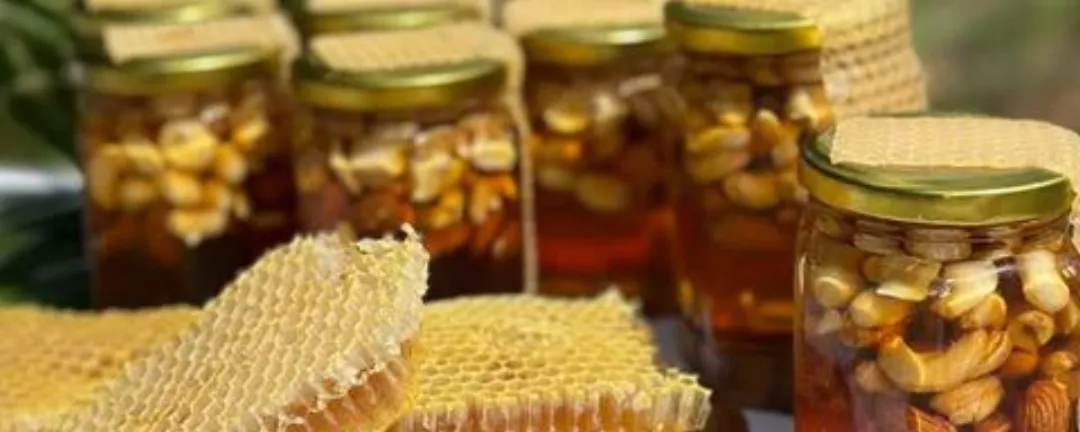
We work so that you can document the authenticity of the honey you produce with a measured result, before a buyer enquiry arrives.
Implementation
The ability to verify the product you produce under your own control. You assess the product in the field after harvest and place the result on record against the batch. When authenticity is questioned you present a measured result and move the price discussion beyond declaration; your floral source and regional declaration is retained on the same record.
Genuine honey and honey containing added syrup sit on the same shelf. Where the buyer side holds no evidence distinguishing the two, pricing is applied to both by the same yardstick; a quality difference is reflected in price only where it can be demonstrated.
Today product authenticity is largely assessed on the basis of declaration, and no measured evidence can be presented in price discussions. Producers in the same region remain within a similar price band, while laboratory analysis is both costly and slow to return a result.
Request a meeting
Data
Share of 320 imported honey samples taken at EU borders that were flagged as suspected of not complying with the Honey Directive (2021-2022)
Source: European Commission, EU coordinated action “From the Hives” (Honey 2021-2022)Share of suspicious samples in the 2015-2017 EU coordinated control; the new action found more than three times that rate
Source: European Commission, EU coordinated action “From the Hives” (Honey 2021-2022)Risks
A quality difference the buyer cannot confirm does not translate into pricing. A producer of genuine honey stays in the same price band as syrup-added product.
For producers outside urban centres, access to a laboratory is both a distance and a cost burden, and the result often arrives after the sales discussion.
Each new buyer requests its own evidence and the process begins again. The product’s authenticity has to be explained afresh every time.
Regulation
Provides that no food ingredient, including food additives, and no extraneous substance of any kind may be added to honey. Honey placed on the market must meet the compositional criteria set out in the annex to the Communiqué.
Defines honey and provides that no food ingredient, including food additives, may be added to a product placed on the market as honey. It requires the country or countries where the honey was harvested to be indicated on the label.
This section is for information only; official sources prevail for current obligations.
FAQ
Yes. The steps are shown in sequence within the mobile application and laboratory experience is not expected. You assess the product in the field after harvest and place the result on record against the batch.
They are not. Floral source and regional information are retained as data declared by you, on the same record as the assessment.
Other industries
 Honey collection and intakeAssess the incoming batch at the weighbridge and make the acceptance decision within minutes.
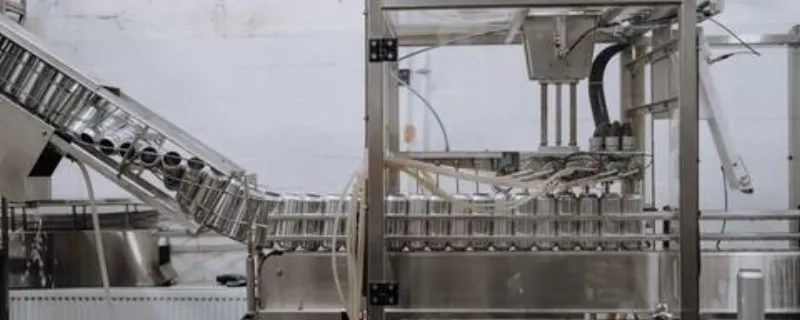 Honey packingVerify the contents of the product you sell under your own brand before filling.
 Honey exportBe ready for the destination market’s authenticity enquiry before the container leaves.
Meeting request
The first meeting reviews your product, sales channels and the risks you face, and recommends a suitable method.
Request a meeting