Fragmented supply
Collecting from a large number of small producers makes quality variation unavoidable, and assessing batches individually takes time.

We work so that you can assess product arriving from a large number of producers while the vehicle waits and before the batch enters the store.
Implementation
The ability to make the acceptance decision while the product is still on the vehicle. Because the result is produced within minutes, the batch is not held and the vehicle is not kept at the weighbridge. Before incoming product is transferred to a common pool, it is established which batch carries which result; the discussion with the producer rests on a written result.
At an intake point, time is the most constrained resource. The decision made while the product waits on the vehicle is in most cases taken without measured data; what you hold is the producer’s declaration and a visual assessment.
Honey mixes after the point of intake. A batch emptied into a tank joins whatever came before it, and from that moment it cannot be separated again. That makes intake the cheapest moment to decide.
Request a meeting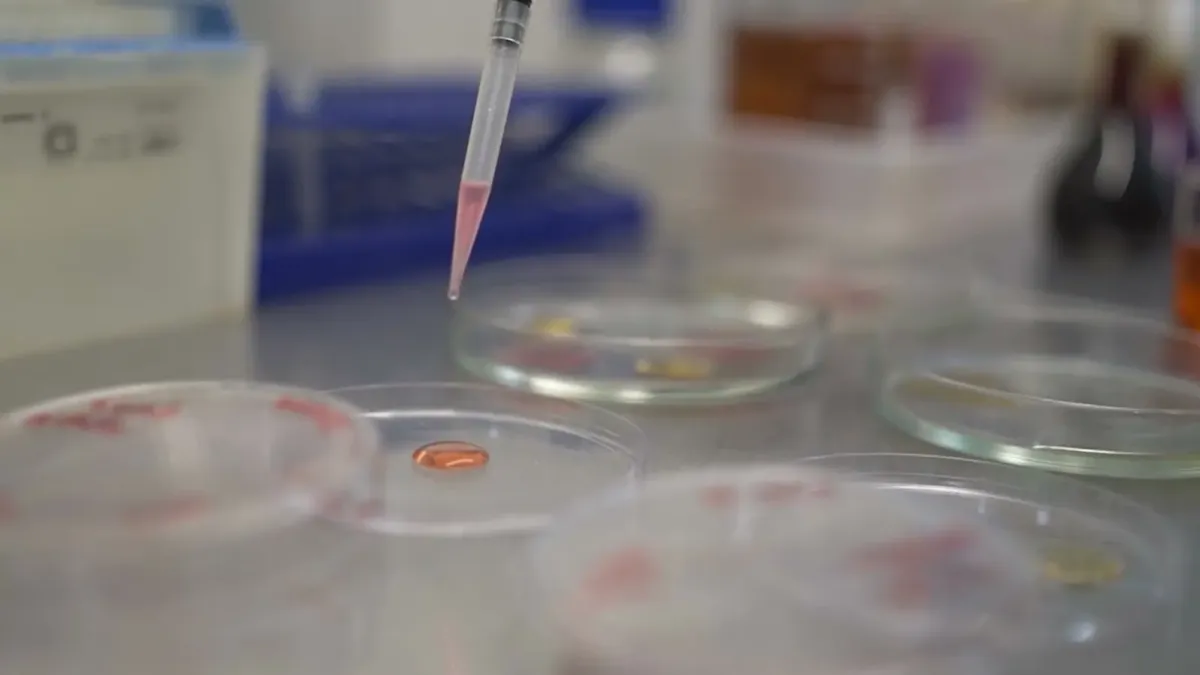
Data
Share of 320 imported honey samples taken at EU borders that were flagged as suspected of not complying with the Honey Directive (2021-2022)
Source: European Commission, EU coordinated action “From the Hives” (Honey 2021-2022)Share of suspicious samples in the 2015-2017 EU coordinated control; the new action found more than three times that rate
Source: European Commission, EU coordinated action “From the Hives” (Honey 2021-2022)Risks
Collecting from a large number of small producers makes quality variation unavoidable, and assessing batches individually takes time.
One non-conforming batch transferred into a common pool affects a far greater volume than itself and places later batches at risk.
Daily vehicle numbers rise through the season and separate time cannot be allocated to each batch. A rejected batch creates friction with the producer.
Example scenario
The producer arrives with a tank. Five drops from the sample jar are transferred to the test dish in the kit.
The mobile application assesses the two images and the result is produced within minutes. If nothing flags, the batch flows on.
A sample is taken from a batch reported as questionable and set aside; only these batches go on to laboratory confirmation.
The result is recorded with batch and producer details; across the season the record shows each producer’s consistency.
Regulation
Provides that no food ingredient, including food additives, and no extraneous substance of any kind may be added to honey. Honey placed on the market must meet the compositional criteria set out in the annex to the Communiqué.
Defines honey and provides that no food ingredient, including food additives, may be added to a product placed on the market as honey. It requires the country or countries where the honey was harvested to be indicated on the label.
This section is for information only; official sources prevail for current obligations.
FAQ
The result is produced within minutes. Once the images are taken it is displayed on the same screen; there is no sample to dispatch and no queue.
A batch reported as genuine continues; a batch reported as questionable is set aside for further examination. Only that batch is separated, not the entire intake.
Other industries
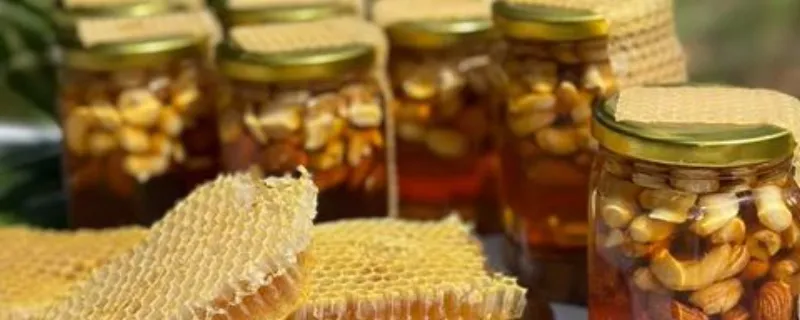 Beekeeping and honey productionDocument the authenticity of the honey you produce with a measured result, before a buyer asks.
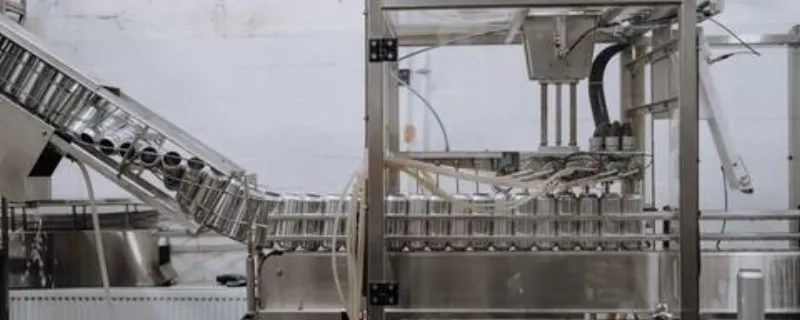 Honey packingVerify the contents of the product you sell under your own brand before filling.
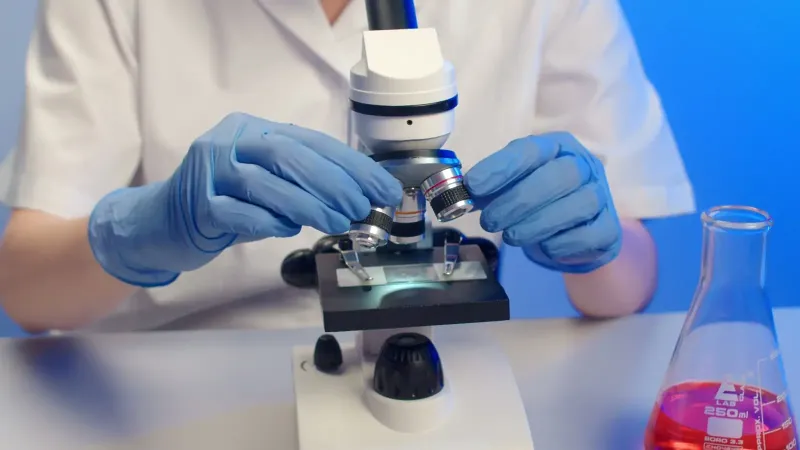 Food inspectionDecide which sample goes to further examination while still in the field.
Meeting request
The first meeting reviews your product, sales channels and the risks you face, and recommends a suitable method.
Request a meeting