Detention at the border
A detained batch increases transport and storage costs each day, and a held batch also delays the orders behind it.

We work so that you can address the destination market’s authenticity enquiry before the container is dispatched.
Implementation
A control carried out before dispatch and placed on record. A non-conforming batch is set aside in your own warehouse rather than at the port. Your buyer reviews the report in their own language, and which batch travelled in which consignment is retained on record together with its result.
In export, an authenticity enquiry holds the entire consignment. The delay generates not only time but also storage, penalty and customer loss costs, and non-conformity is often identified only after the product reaches its destination.
The laboratory in the buying country asks not only for the result but also which batch it belongs to and which producers that batch came from. A query is as much a record question as a measurement question, and records cannot be produced after the fact.
Request a meeting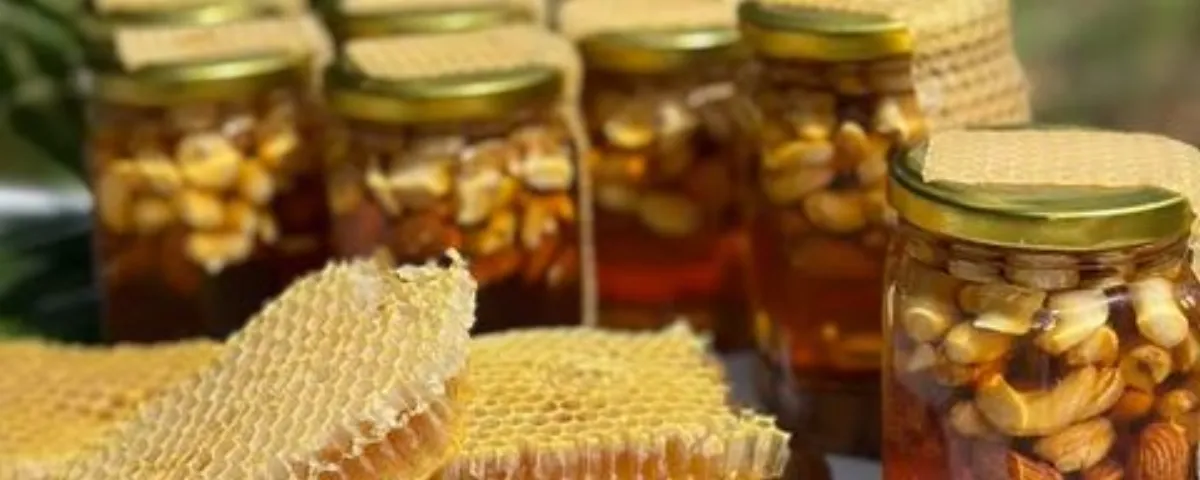
Data
Share of 320 imported honey samples taken at EU borders that were flagged as suspected of not complying with the Honey Directive (2021-2022)
Source: European Commission, EU coordinated action “From the Hives” (Honey 2021-2022)Share of suspicious samples among honey originating from Turkey in the same action; the highest relative proportion of any origin
Source: European Commission, EU coordinated action “From the Hives” (Honey 2021-2022)Share of exporters found to have shipped at least one consignment suspected of adulteration with extraneous sugars
Source: European Commission, EU coordinated action “From the Hives” (Honey 2021-2022)Risks
A detained batch increases transport and storage costs each day, and a held batch also delays the orders behind it.
A single adverse result can restrict access to that market for an extended period. Later batches to the same country face more frequent checks.
Each country and each buyer requests evidence in a different form; buyer expectations require different documents from country to country.
Example scenario
The honey that makes up the batch is assessed at the intake point; the result is recorded with producer and batch details.
Every shipment carries its own batch number and the assessment bound to that number.
The batch is assessed again before the container is loaded; a non-conforming batch is set aside in your own warehouse.
A report with batch, date and result is ready in both languages; translation is not done at customs.
Regulation
Defines honey and provides that no food ingredient, including food additives, may be added to a product placed on the market as honey. It requires the country or countries where the honey was harvested to be indicated on the label.
Amends the Honey Directive so that, for blends, the countries of origin are indicated on the label in descending order together with the share of each. Shares are calculated from the operator’s traceability documentation; Member States apply the rules from 14 June 2026.
Requires competent authorities to carry out regular, risk-based official controls to identify intentional violations perpetrated through fraudulent or deceptive practices. Consignments entering the EU fall within the scope of these controls.
This section is for information only; official sources prevail for current obligations.
FAQ
It can. The report is prepared in both languages, in wording a non-specialist reader can evaluate without further explanation.
No. Beevex provides screening and a record before shipment; a questionable batch is set aside before loading for further examination. When a query arrives, which batch was assessed and when is already on record.
Other industries
 Honey packingVerify the contents of the product you sell under your own brand before filling.
 Honey collection and intakeAssess the incoming batch at the weighbridge and make the acceptance decision within minutes.
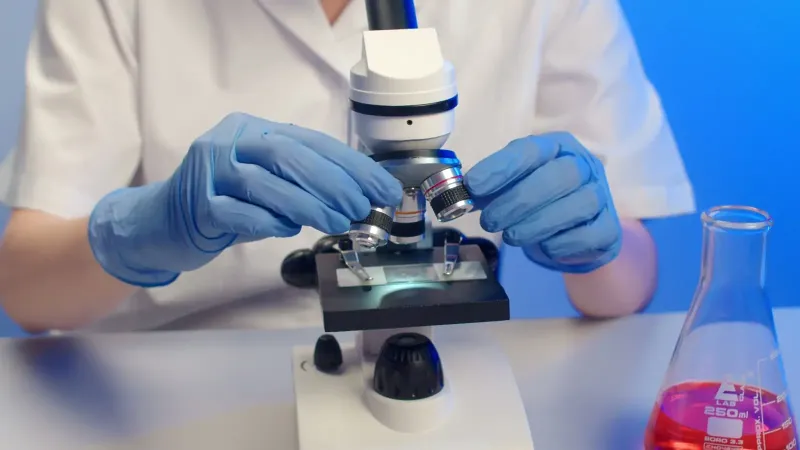 Food inspectionDecide which sample goes to further examination while still in the field.
Meeting request
The first meeting reviews your product, sales channels and the risks you face, and recommends a suitable method.
Request a meeting